

Lavender Honey Ice Cream: Get ready to make some truly amazing lavender honey ice cream! This recipe is simple, and the results are definitely worth it.
Let’s chat about honey lavender ice cream. It’s one of those flavors that stands out.
Essentially, it’s a delightful blend where the natural sweetness of honey meets the subtle, aromatic, and slightly floral notes of lavender. It’s not your everyday vanilla or chocolate, which is part of its charm.
The real magic happens when the lavender perfectly complements the honey’s smooth sweetness. It’s all about striking that delicate balance; a little too much, and it could taste soapy. But get the amount just right, and it introduces a refined, distinctive, and sophisticated touch that truly elevates the honey’s creamy richness!

The Magic of the Unexpected
What truly blows me away about this ice cream is its ability to surprise and delight. You expect sweet, sure, but then that subtle floral note hits, and it’s like a secret garden just opened up on your tongue. It’s the kind of flavor that makes you close your eyes for a second, just to savor it, to feel it.
And let’s talk about the texture – it’s divinely creamy, melting on your tongue like a dream. It’s not just food; it’s an experience. It’s the perfect antidote to a stressful day, a sweet reward, or just an excuse to treat yourself to something truly special.
Where to Find Culinary Lavender?
Many lavender farms across the United States specialize in culinary lavender and sell their products directly online or at their farm shops. You might also find it at specialty spice shops or gourmet food stores.
I picked up my lavender in today’s recipe from the exquisite Lavender Hill Farm in Michigan.
I always seek out the best quality ingredients, and the Lavender Hill Farm delivers. As a Certified Naturally Grown farm and the largest lavender farm in Michigan, they’re committed to sustainable practices. With over 30 varieties of lavender thriving there, alongside their busy Italian honeybees, you can truly taste the care and natural goodness in every sprig.

Culinary Lavender and Key Characteristics
The amazing flavor in this recipe comes from culinary lavender!
So, I wanted to quickly clear things up about the different kinds of lavender out there. Not all lavender is created equal when it comes to cooking, and knowing the difference makes all the difference!
When you’re looking at lavender, you’ll generally find two main types: culinary and aromatic.
The biggest difference between them really comes down to their oil content. Culinary lavender, as the name suggests, is the one you’d use for cooking. It has less oil, which means its flavor is much more subtle. That’s key for not overwhelming a dish.
Aromatic lavender, on the other hand, has a higher oil content. This makes it perfect for things like candles, potpourri, or essential oils, where you want a stronger, more fragrant scent.
So, if you’re ever thinking of adding lavender to a recipe, definitely make sure you’re grabbing the culinary kind!
- Flavor Profile: It offers a strong floral, herbal aroma and flavor. Depending on the specific varietal (like “Maillette” or “Royal Velvet”), it can have sweet, citrusy, herbaceous, or even woody undertones.
- Versatility: Culinary lavender is surprisingly versatile and can be used in both sweet and savory dishes.
- Sweet Applications: It’s popular in baking (cookies, cakes, scones, shortbread), desserts (ice cream, chocolate truffles, crème brûlée), and beverages (teas, lemonades, simple syrups for cocktails). It pairs well with flavors like lemon, orange, honey, vanilla, and chocolate.
- Savory Applications: It can be used as an aromatic to flavor poultry, fish, lamb, pork, and smoked meats. It’s often found in herb blends like Herbes de Provence and can be a substitute for rosemary, sage, or oregano.
So, next time you’re looking for something a little bit different, a little bit daring, and a whole lot delicious, reach for the Honey Lavender Ice Cream.
Trust me, your taste buds will thank you. And who knows, it might just become your new favorite obsession.

Why add Milk Powder to Ice cream?
Adding milk powder to your ice cream recipe can make a noticeable difference in its texture and how well it stores.
Milk powder can give a richer, creamier, and more milky flavor to your ice cream. If you toast skim milk powder beforehand, it can even impart nutty, caramel-like notes.
Additionally, milk powder acts as a stabilizer, meaning your ice cream will hold its quality better in the freezer over several days. If you like to make a batch and enjoy it over time, this can prevent it from becoming too icy or losing its creamy texture.
While beneficial, using too much milk powder can lead to a sandy texture in the final ice cream due to the crystallization of lactose (a sugar in milk powder) if it’s not fully dissolved or if the concentration is too high.
The Taste
Essentially, it’s a delightful blend where the natural sweetness of honey meets the subtle, aromatic, and slightly floral notes of lavender.
The Process
As easy as it gets
Trust me, your taste buds will thank you.
Culinary lavender is surprisingly versatile and can be used in both sweet and savory dishes.
The Verdict
So, next time you’re craving something a little different, a bit daring, and incredibly delicious, reach for the Honey Lavender Ice Cream.
And who knows, Lavender Honey Ice Cream might just become your new favorite obsession.
Enyoy
Laveneder Honey Ice Cream
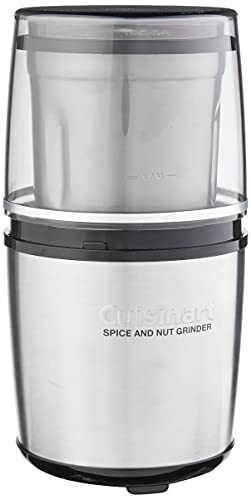
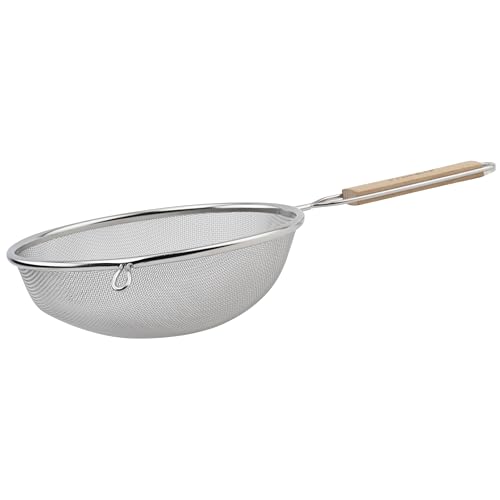
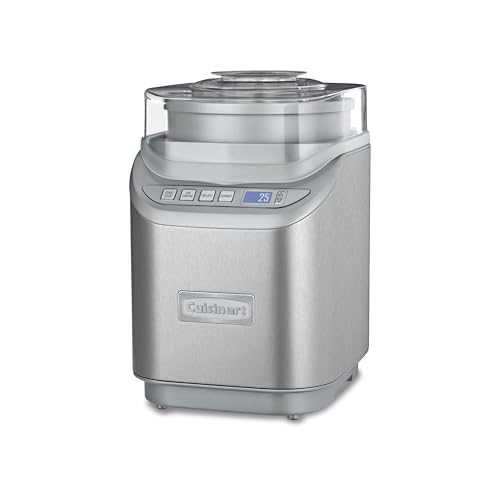
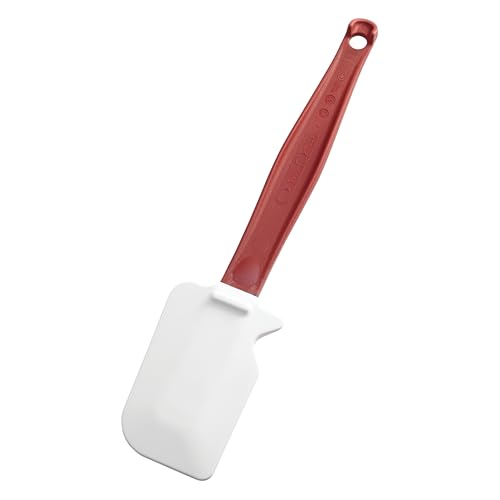
Recommended Equipment
Ingredients
- 5 ounce honey
- 2 ounce Edible Lavender Flowers, dried, culinary grade
- 12 ounce half-and-half
- 1/4 ounce Milk Powder, Nonfat dry
- 1 pinch kosher salt
- 2 ounce sugar
- 5 egg yolks
- 12 ounce heavy cream
- 2 ounce blueberries frozen
Instructions
- First, gently warm the honey and stir in half of your lavender flowers. Set the other half of the lavender flowers aside; they are needed to infuse the custard. Let this mixture steep at room temperature for an hour. While that's steeping, whisk your egg yolks in a small bowl and set aside.5 ounce honey, 2 ounce Edible Lavender Flowers, dried, culinary grade
- Combine the half-and-half and the milk powder, whisk vigorously to ensure the milk powder fully dissolves and no lumps remain. If your half-and-half is too cold, the milk powder might clump. To avoid that, have your half-and-half at room temperature. Add the sugar, and salt, to the half-and-half, add to a saucepan, and heat gently. Pour your heavy cream into a separate bowl and set a strainer over it.FYI. While beneficial, using too much milk powder can cause a sandy texture in the final ice cream due to lactose crystallization, especially if it's not fully dissolved or if the concentration is too high.12 ounce half-and-half, 1 pinch kosher salt, 2 ounce sugar, 1/4 ounce Milk Powder, Nonfat dry
- Slowly, and this is important to avoid scrambling the eggs, pour the warm milk mixture into your egg yolks, whisking constantly. Once combined, return this mixture to a saucepan and bring to a medium heat. Again, it is important not to scramble the egg yolks. Continue stirring constantly with a silicone spatula until the mixture thickens slightly and coats the back of a spoon.5 egg yolks
- Once thickened, pour the custard through the strainer into the heavy cream you set aside earlier. Stir in the remaining lavender flowers. Cover this mixture and refrigerate it overnight.12 ounce heavy cream
- Defrost the blueberries. Once they're nice and soft, toss them into your blender. Blend until you've got a smooth, beautiful blueberry purée.2 ounce blueberries
- The next day, pour the custard through the strainer once more to remove the lavender flowers. Finally, freeze the custard in your ice cream maker according to its specific instructions.
- As your ice cream churns, slowly pour in that vibrant blueberry purée. Watch as it transforms your treat, giving it a stunning lavender-like color. The color should be a light purple, so be careful how much blueberry purée you add.
Chef Notes
None Fat Milk Powder: While beneficial, using too much milk powder can lead to a sandy texture in the final ice cream due to the crystallization of lactose (a sugar in milk powder) if it's not fully dissolved or if the concentration is too high. A general guideline is not to exceed 10% of powdered milk in the total mix.
Nutrition
Nutrition information is calculated using an ingredient database and should be considered an estimate