

Welcome, friends, to a very special project. We’re not simply making gingerbread dough today; we’re embarking on a culinary journey that requires patience, a virtue every great baker knows well. This recipe for Alsatian Gingerbread Mother Dough is a true classic, one I learned from my dear friend, the acclaimed pastry chef Jacquy Pfeiffer.
What makes this recipe so unique is that it’s a long game. Unlike most doughs that are baked right away, this one needs to rest and mature for at least three months (I recommend five months) and it is not a suggestion—it is the very heart of the recipe.

The Real Secret to This Recipe’s Amazing Flavor and Texture is Time.
Please mark your calendars for early December. That’s when we’ll add the final spices and leavening agents to complete this magical creation. While it may seem like a long time from now, this step is crucial for getting a truly unforgettable gingerbread.
Follow Recpie Link for adding the Spice Blend and Baking:
The dough needs time to mature and ferment, so we’ll tuck it away in a cool, dark spot, ideally around 60°F (16°C), and let the magic happen. I promise, it’s going to be absolutely worth the wait!
Get ready to dive into the wonderful world of homemade gingerbread cookies! These delightful, spiced treats are loved all over the globe, whether you call them Lebkuchen in Germany or Pain d’épices in France.
Their sweet and aromatic charm comes from a fantastic mix of spices like cinnamon, ginger, and allspice. It’s pure magic in every bite!
Now, while making gingerbread cookies is pretty simple, getting them just right truly depends on being precise. After years of baking, one golden rule stands out: always follow the recipe exactly.
Think of it this way: cooking gives you room to experiment and add your own flair, but baking is a true science. Every single measurement makes a huge difference in how your baking turns out.
That’s why you’ll see bakers, from seasoned pros to enthusiastic home bakers, using grams in their recipes.
It’s the secret to consistent, perfect results every time!

Master the Flavor:
This isn’t just any recipe; it’s a true French Classic from my friend Jacquy Pfeiffer, an acclaimed master pastry chef and co-founder of The Butter Book, an online pastry training program.
If you haven’t heard of him, you should definitely check out his book, The Art of French Pastry. It’s a true treasure and a winner of both the IACP Cookbook Award and the James Beard Foundation Book Award. Jacquy shows us that incredible dishes like puff pastry, crème anglaise, and éclairs aren’t just for fancy bakeries—you can make them at home!
Unlike a lot of baking, where you use the dough right away, this is a long game. The Alsatian Gingerbread Mother Dough, needs to ferment/mature for a minimum of three months, I give it five months..
Think of it like aging a good wine or cheese; time is what develops the complex flavors.
This resting period allows the overall flavor profile to become richer and more complex, taking your gingerbread dough to the next level.
The fermentation also helps with the dough’s stability. It becomes less sticky and much easier to work with once it’s matured. The gluten in the flour also gets a chance to relax completely, which contributes to that classic, tender texture of Alsatian gingerbread.
While the term “fermenting” might spark debate when discussing gingerbread cookie dough (especially those high in honey), allowing the Alsatian Gingerbread Mother Dough to mature for weeks or even months significantly enhances the depth of flavor.

Why Use Grams, Not Ounces, in Baking?
It’s a great question, and understanding the “why” will totally level up your baking game!
Grams are a universal unit for global baking. They’re the standard unit of mass in the International System of Units (SI). This makes it incredibly easy to follow gingerbread cookie recipes and other baked goods from around the world without needing to constantly convert measurements.
You’ll achieve reproducible and consistent results. In baking, the precise ratio of ingredients is crucial. Using grams ensures you’re using the same amount of each ingredient every time you bake your gingerbread cookies. This leads to consistent results you can rely on and makes it much easier to troubleshoot any issues that might arise. Say goodbye to inconsistent batches!
Effortless recipe scaling. Want to bake a larger batch of gingerbread cookies for a holiday gathering or a smaller batch for just a few people? Scaling recipes up or down is significantly simpler when using grams. You can easily multiply or divide the gram amounts by the desired factor without the complexities of converting volumetric measurements.
It’s the pinnacle of precise measurements in baking. Baking is a delicate balance of chemistry. Grams provide the most accurate measurements compared to volume-based measurements (like cups and spoons), which can vary depending on how ingredients are packed. This precision allows you to have greater control over the baking process and truly understand the impact of each ingredient in your gingerbread cookies.
So, go ahead and grab your kitchen scale! Getting comfortable with grams will not only make your gingerbread cookies absolutely perfect, but it’ll also boost your confidence in all your future baking adventures. Get ready to bake some seriously delicious treats!
A Timeless Treat with a Rich History:
Spiced cookies and breads sweetened with honey have a long and fascinating history. Evidence suggests that the concept of these delightful baked goods was introduced to Europe from China during the Crusades. However, the enjoyment of honey-sweetened spiced breads can even be traced back to Ancient Egypt, highlighting the enduring appeal of these flavors.
While the extent to which these doughs truly ferment is debatable (honey, with its low moisture content, may not readily support spontaneous fermentation.
I’ve found that allowing these ingredients to mature for weeks or even months significantly enhances the flavor and elevates the overall process.
Spiced cookies and bread incorporating honey have enjoyed global popularity for centuries. Historical evidence suggests that the concept of honey-sweetened spiced baked goods was introduced to Europe from China during the Crusades. However, evidence of honey-spice bread consumption also exists in Ancient Egypt.
I hope you’re ready to dive into this wonderful culinary tradition. Do you have a kitchen scale ready to go?
Alsatian Gingerbread Mother Dough
Recommended Equipment


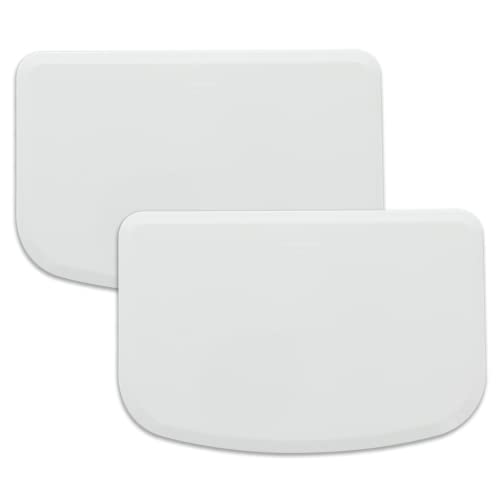
Ingredients
Basic Dough
- 500 grams honey
- 250 grams King Arthur All Purpose Flour
- 250 grams King Arthur Rye Flour
Instructions
Warm the Honey:
- Warm up the honey to 131°F (55°C). You want it nice and warm, but not boiling.500 grams honey
Combine the Flour and Honey:
- In a KitchenAid Mixer combine all pourpose flour with rye flour. Once those are mixed, pour in your warm honey and blend everything until it's super smooth.250 grams King Arthur All Purpose Flour, 250 grams King Arthur Rye Flour
Ferment the Dough
- Transfer your mixture to a plastic container, then lightly cover it with parchment paper. Make sure it can "breathe"—we're looking for a loose cover, not an airtight seal. Allow to ferment for 2 to 5 months in a cool and dark place at around 60F/ 16C.
Nutrition
Nutrition information is calculated using an ingredient database and should be considered an estimate