

Alsatian Gingerbread Cookies. Oh, the magic of these cookies! You’re not just baking; you’re reviving a centuries-old tradition—a recipe etched with the joy, warmth, and unconditional love of every hand that has prepared it. To taste this gingerbread is to truly travel back in time, feeling the history and the heart poured into every single bite.
The Soul of Alsatian Gingerbread Cookies: More Than Just Ingredients!
There is absolutely nothing—and I mean nothing—quite like a recipe that has been lovingly handed down through generations.
The soul of an Alsatian gingerbread cookie and the gingerbread spice mix is deep warmth, holiday nostalgia, and bold, uncompromising comfort. It is the fragrant, edible essence of a cozy winter evening, promising sweetness, spice, and cheer. The flavors don’t just deepen; they seamlessly integrate and become unimaginably complex.

The Passionate Power of Spices in Alsatian Gingerbread
The true heart and soul of Alsatian Gingerbread lies not just in the recipe itself, but in two crucial elements: its unique spice blend and the extraordinary practice of resting the dough for a full five months.
This preparation is no quick sourdough rise; it is a process of slow, cold maturation. While some bakers debate the extent of active fermentation that occurs due to honey’s low moisture content, what actually happens to the dough is nothing short of culinary alchemy.
The careful addition of the spices creates an aromatic and complex symphony of flavors within the cookies.
My Alsation Gingerbread Spice Recipe Yields a Delightful Surplus
Here is a short list of vibrant ideas for your leftover Alsatian Gingerbread Spice Blend
Hot Beverages: Stir a pinch into your coffee, latte, hot chocolate, or tea.
Breakfast Foods: Sprinkle it over oatmeal, yogurt, or in your pancake/waffle batter.
Baked Goods: Mix it into recipes for muffins, quick bread (like banana bread), brownies, or a simple spice cake.
Desserts & Toppings: Stir a dash into vanilla ice cream, pudding, or applesauce.
Savory Dishes (Be Bold!): Try adding a small amount to a pork stew, beef sauce, or chili for a warm, unexpected flavor.

The Magic of the Five-Month Ferment: A Timeless Tradition
You can make a two-week dough, which is a high-quality product, but the five-month dough fermentation is where the soul of this recipe resides.
This isn’t just about mixing ingredients; it’s about a deep, patient engagement with tradition—a culinary ritual where time itself becomes the most vital component. We’re talking about the magnificent, slow-motion ballet of flour, rye flour, and liquid gold honey over a span of five glorious months!
This long fermentation—often associated with ancient gingerbreads, like certain Lebkuchen or Danisch Honeyheart cookies—is a true testament to the power of waiting. It’s an act of faith!
The Ingredients & The Process
The Flours: The mixture begins with flour, often combined with the robust, earthy complexity of rye flour. Rye is a powerhouse, rich in nutrients and enzymes that absolutely thrive in fermentation. It brings a deep, almost mystical character to the final product.
The Honey: Then comes the star, honey. Not just a sweetener, but a natural preservative, a carrier of wild yeast and beneficial bacteria, and the soul of the final flavor. The mix is a simple, sticky humble paste – that barely resembles the final, exquisite treat.

Knowing Your Oven!
A Alsation gingerbread cookie is a labor of love! The secret to their tender perfection? A precise seven-minute bake time, ensuring the bottoms are a beautiful, light golden-brown—a clear sign of a perfectly controlled oven temperature. Mastering the heat truly unlocks their full, delicious potential.
I’ve learned over the years that my oven is the most important tool for baking. I’ve owned a few ovens, and I’ve found that not all thermostats are the same. Some ovens run hotter or cooler than they say, so it’s always a good idea to check the real temperature with an oven thermometer.
Checking for Hot Spots
To do this, just preheat your oven to a set temperature, and then place the thermometer in different spots inside. You might find there are hotter and cooler areas (often called “hot spots”), so you’ll need to adjust your baking times.
I’ve also learned that rotating the baking sheet halfway through the baking time is a great way to make sure your baked goods cook evenly. This is super important if your oven has those hot and cool areas.
For example, if I’m baking a cake, I usually put the baking sheet on the middle rack. Then, halfway through baking, I rotate the sheet so the cake cooks evenly on all sides. I’ve found that this simple trick makes a big difference in the end result. My cakes are always evenly cooked and delicious!
Alsatian Gingerbread Cookies
The Taste
This aged dough yields a remarkably soft, tender, and uniquely chewable baked good—a signature of these traditional goods.
The taste is sweet, full of warm spices, and deeply flavorful.
The Process
This tradition is more than a recipe; it’s a human connection to the rhythm of the year.
It involves starting the dough in the late summer or fall, knowing it will sit, patiently waiting, until the winter holidays.
The Verdict
The organic acids inherent in the rye flour slowly catalyze a profound chemical interaction with the honey’s rich, simple sugars.
The flavors don’t just deepen; they seamlessly integrate and become unimaginably complex.
Any sharp or harsh notes mellow entirely, and a profound, intoxicating aroma develops, a signature of these slow, ongoing reactions that you simply cannot replicate in a quick bake.

Alsatian Gingerbread Cookies
Recommended Equipment
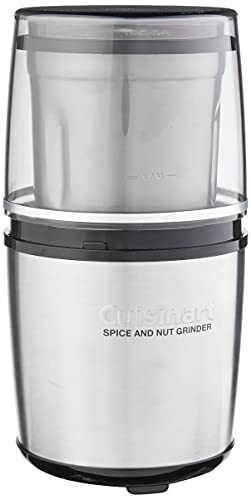
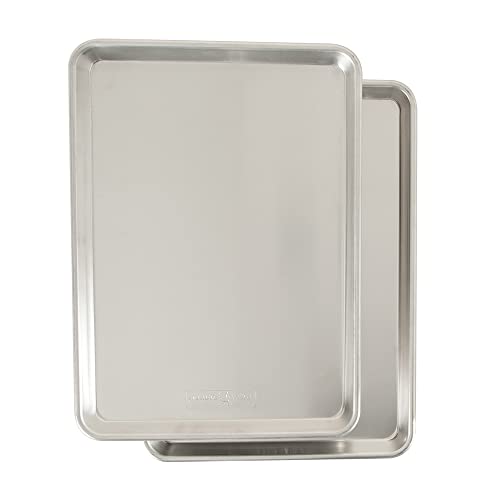


Ingredients
Mother Dough
- 1 recpie Gingerbread Mother Dough
Spice Blend
- 25 grams Cinnamon Highly recommend to use Ceylon Cinnamon
- 3 grams Ginger ground
- 4 grams Anise green seeds
- 2 grams Nutmeg ground
- 7 grams Coriander seeds
- 7 grams Cardamom ground
- 3 grams Star anise
Potassium Carbonate & Water
- 10 grams Food-Grade Potassium Carbonate
- 15 grams water
Ammonium Carponate & Water
- 10 grams Bakers Food Grade Ammonium Carbonate,
- 15 grams water
Glaze
- 175 grams confection sugar
- 30 grams egg white about 1 egg white
- 13 grams water
Instructions
Mother Dough
- Store your Mother Dough at room temperature overnighthttps://www.norbertskitchen.com/wp-admin/post.php?post=29168&action=edit#.1 recpie Gingerbread Mother Dough
Blend the Spice Mix
- Grind the Star Anise, Green Anis and the Corinader seeds in a spice blender. Mix with the rest of the ground spices25 grams Cinnamon , 3 grams Ginger , 4 grams Anise green, 2 grams Nutmeg , 7 grams Coriander , 7 grams Cardamom , 3 grams Star anise
Disolve the Potassium Carbonate and the Ammonium Carbonate
- Use a very precise scale for weighing the potassium and ammonium carbonate.
- Mix the 10 grams of Potassium Carbonate with 15g of water.Mix the 10 grams of Ammoniom Crabonate with 15 grams of water Set aside for 1/2 hour so it has time to desolve.10 grams Food-Grade Potassium Carbonate, 10 grams Bakers Food Grade Ammonium Carbonate,, 15 grams water , 15 grams water
Using your KitchenAid Mixer
- Mixing gingerbread dough requires careful attention. Because the fermented base consists primarily of flour and honey, the texture is exceptionally dense. To ensure a smooth process and protect your equipment, please follow these critical steps:Tempering is Key: Allow the dough to reach room temperature before you begin. It must be soft to the touchbefore it hits the mixer.Prep the Dough: We suggest cutting the cold dough into small, 1-inch chunks. This significantly reduces the torque required to move the mass and ensures an even blend.Protect Your Equipment: Never attempt to mix the dough while it is still firm from the cooler. Using a standard kitchen mixer on cold dough will likely strain and burn out the motor.
Mixing the Dough with the Spices
- Add the 1 inch cubed gingerbread dough to the place in mixer. Add the discolved potasium carbonate and the ammunioum carbonate liquides and mix the dough with the hook atttachmemt on low gear. Scale 100 g of rye flour and mix with 20 grams of the ground gingerbread spices. When the dough is homogneous, add the rye flour, spice blend and mix until incorperated. Cover the dough and rest overnight in a cool place.It is important for the Dough to rest for 1 day after the spices and leavening agents are added so the spices have a chance to color the dough and the crystals of leavening agents to melt.
Make the Glaze
- Mix together 175g confectionery sugar, 30g egg white, 10g water (or eau de vie).175 grams confection sugar, 30 grams egg white, 13 grams water
Bake the Cookies
- The next day, roll out to 3/16” / 5mm and cut into shapes. Place on slightly greased sheet pans. Bake at 350°F/175°C for 7 minutes.
- Brush the baked cookies with the sweet glaze and let it cool and dry.
- Let the cookies sit for one or two weeks in tin or plastic box for the perfect softness! Enjoy your homemade treat!
Nutrition
Nutrition information is calculated using an ingredient database and should be considered an estimate