
Duck confit isn’t just a dish; it’s a testament to the art of slow cooking, a celebration of flavor, and a tribute to tradition. Fresh Herbs like thyme, rosemary, bay leaves, garlic, and coarse sea salt are used in the curing and cooking process, adding aromatic layers to the flavor profile. Finally, the duck skin is crisped up by pan-frying or broiling, creating a delightful contrast to the tender meat.
From my perspective, duck confit isn’t a casual undertaking; it’s a testament to the rewards of deliberate, patient cooking. While the process is fundamentally straightforward – curing and slow cooking – shortcuts invariably compromise the final result. The true essence of confit lies in adhering to the traditional, time-honored methodology.

Muscovy Ducks
Sometimes called Barbarie or Barbary duck, the Muscovy duck is thin-skinned, low in fat, and has deep red, mildly gamy meat that is sometimes compared to roast beef for its flavor, and veal for its tenderness. There’s also much more of it. The carcass of a Muscovy duck is heavier than most other domestic ducks and has a larger breast with up to 40% less fat. And while it may cost more per pound than other ducks, Muscovy duck has a higher meat-to-bone ratio, which means you are getting more meat and less bone for the money!
And being so lean, the meat renders out less fat in cooking. Muscovy ducks have less fat and fewer calories per pound than turkey. All of this contributes to a flavorful and healthy eating experience. Europeans have been enjoying Muscovy duck meat for a long time, and the popularity of this duck is growing in the United States.
The SOL Homestead
I love The SOL homestead nestled near Kingsley, Michigan; it is more than just a homestead; it’s a dream realized, a sanctuary of peace, and a testament to the beauty of nature.
Surrounded by fields teeming with life, it’s a place where the air is crisp, the sunsets are breathtaking, and the tranquility is palpable.
The SOL homestead location is near Traverse City and within reach of Mackinac Island, offering access to beautiful natural surroundings. This makes it a great addition to a nature-focused trip.
I love their beautiful garden. Walking through the garden, I always find inspiration in the flourishing plants. Rows of plump tomatoes, crisp cucumbers, grapes, sweet corn, and fragrant herbs offer a testament to nature’s bounty. They offer camping in a secluded and private setting, and the homestead is dedicated to sharing knowledge about sustainable living and agriculture. This makes it a valuable learning experience for individuals and families. In essence, The SOL Homestead provides a chance to connect with nature, learn about sustainable living, and enjoy animal encounters in a beautiful setting.

The SOL Homestead Ducks
I feel incredibly fortunate to have acquired my ducks from The SOL Homestead. It’s not just about getting any ducks; it’s about getting these ducks. The reason is simple: Shauna’s dedication to her animals’ well-being and commitment to ethical practices are unmatched.
Picture this: Shauna, the heart behind The SOL Homestead, lets around 24 Muscovy ducks freely explore her pastures each year. No cages, no pens—just sunshine, fresh air, and the simple joy of being a duck. They spend their days foraging, basking in the sun, and living exactly as nature intended, foraging and simply living as ducks should.
At The SOL Homestead, animal welfare isn’t just a slogan; it’s a fundamental principle. Unlike industrial farms, her ducks enjoy freedom of movement, which results in healthier, happier birds.

Cooking Duck Confit is not a Race
There are a few steps in making duck confit; specifically, a meticulous cure is non-negotiable. This allows the salt and aromatics to penetrate deeply, permeating the meat right down to the bone, and establishing a foundational layer of flavor. Subsequently, the slow, gentle rendering in duck fat is critical.
It is a patient transformation, allowing the meat to achieve a silken tenderness. Finally, the crisping of the skin, done with equal care, yields that essential, delicate crunch, a textural counterpoint to the rich, yielding flesh. In my experience, this methodical approach is not merely a recipe but a culinary investment that delivers a depth of flavor that is truly exceptional
Deep, Savory Duck Essence
The extended curing process concentrates the inherent duck flavor, moving beyond mere “duck taste” to a profound, almost primal savoriness. This isn’t just about meat; it’s about the very essence of the bird and how the confit is cooked.
- Silken, Rendered Fat:
The slow cooking in duck fat imparts a luxurious quality. This isn’t greasy; it’s a silken texture that melts on the palate, carrying the flavors of the cure and the rendered fat itself. - Herbal and Aromatic Undertones:
The herbs and aromatics used in the cure—thyme, garlic, bay leaf—infuse the meat with subtle, complex notes. These aren’t overpowering, but rather contribute to a harmonious depth of flavor.
- Crisp, Nutty Skin:
The final crisping of the skin provides a crucial textural counterpoint. This isn’t just about crunch; it’s about a slightly nutty, caramelized flavor that elevates the entire dish.
How to Enjoy Duck Confit
The possibilities are endless! Here are a few popular ways to savor this delicacy:
- Crispy Skin Delight: Pan-fry the confit until the skin is golden and crispy, serving it with roasted potatoes or a simple green salad.
- Cassoulet Star: Incorporate it into a hearty cassoulet, the quintessential French bean stew.
- Sandwich Sensation: Shred the confit and use it as a filling for a gourmet sandwich.
- Salad Sensation: Add warm, shredded confit to a fresh salad with a vinaigrette dressing.
- Pizza Topping: A surprising but wonderful addition to a gourmet Pizza.
Duck Confit and Yellow Split Peas

The Taste
Duck confit is a culinary delight known for its rich and complex flavor profile.
The slow cooking in duck fat intensifies the duck’s natural flavor, creating a rich, savory taste.
The texture is a key component of the taste, as the meat practically melts in your mouth.
The Process
Duck confit is a classic French dish where duck legs are preserved and cooked in their fat.
The prolonged, gentle cooking renders the duck legs incredibly tender.
Cooking the Duck confit takes time, and it is recommended to cook the confit a day before
Remember, you must have enough duck fat to fully submerge the duck legs
The salting process must be even; too little salt, and the duck won’t be properly preserved or flavored
Allowing the confit to rest in the fat overnight allows the flavors to deepen and meld, resulting in a richer, more complex taste.
The Verdict
Duck confit is a culinary masterpiece!
It is a deeply flavorful and indulgent dish that combines richness, tenderness, and a harmonious blend of savory notes.
Enjoy

Mastering the Art of Duck Confit at Home
Recommended Equipment


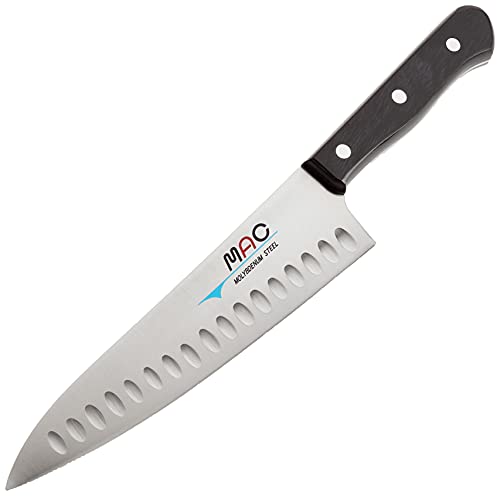

Ingredients
- 4 Duck Leg Quarters
- 1/4 cup Sea Salt Coarse
- 1 garlic clove peeled, smashed
- 3 bay leaf crushed
- 1 tbsp peppercorn black cracked
- 16 sprigs Thyme, fresh
- 1 quart Duck Fat, Rendered
- 2 sprigs rosemary, fresh
Instructions
Season the Duck Legs
- Place the duck legs in a large bowl. Season them liberally on all sides with sea salt, freshly cracked black peppercorns, fresh thyme sprigs, and finely smashed garlic. Gently massage the seasoning into the duck legs, ensuring it penetrates the meat for optimal flavor.4 Duck Leg Quarters, 1/4 cup Sea Salt Coarse, 1 garlic clove, 3 bay leaf, 1 tbsp peppercorn black, 16 sprigs Thyme, fresh, 2 sprigs rosemary, fresh
Cure the Duck Legs for 24 hours
- Cover the bowl with plastic wrap and refrigerate for 24 hours.
- Rinse the legs under water to discard the salt mixture, bay leaf, and thyme. Blot the duck legs with a paper towel to try them on both sides
Cook the Duck Legs - Preheat the oven to 250°F and
- Place the duck legs in a large Dutch oven. Pour the rendered duck fat over the legs, ensuring they are completely submerged by at least 1 inch. Cover the Dutch oven with a lid and cook until the meat is very tender and just barely falling off the bone, for approximately 3 hours.1 quart Duck Fat, Rendered
Crisp the Duck Legs
- To crisp the duck legs, spoon a generous dollop of duck fat into a large skillet over low heat until it melts. Add the duck legs, skin-side down, and cook until the skin starts to crackle and turn brown, about 10 minutes. Low and slow is the preferred method here. Transfer to a plate and keep warm for service.
Chef Notes
Sourcing of Duck Legs & Duck Fat
If you require duck legs or rendered duck fat, consider ordering from Joe Jurgielewicz & Son, a prominent duck supplier in North America. I utilize their 7 lb bucket of rendered duck fat, and for storage, I recommend:- Refrigerated storage, pour the fat into an appropriate container.
- To extend storage, freeze the fat in an airtight container or a heavy-duty freezer bag.
Nutrition
Nutrition information is calculated using an ingredient database and should be considered an estimate