

Lemon Bulgur Pilaf is one of my favorite recipes, it’s so easy to cook Lemon Bulgur Pilaf is a bright and flavorful dish that combines the nutty goodness of bulgur wheat with the zesty tang of lemon and the aromatic warmth of herbs. It’s a versatile side dish that pairs well with a variety of main courses, from roasted chicken to grilled fish
The lemon bulgur pilaf is cooked with an ancient grain that has been called many names over the last 4,000 years. Ancient Babylonians, Hittites, and Jews called this wheat product “Arisah,” which is how it was referred to in the Bible.
What is bulgur? How about freekeh?
The Whole Grains Council takes us to the Middle East, introducing us to bulgur and its smoky cousin, freekeh. Let’s delve deeper into these two fiber-filled, quick-cooking grains.
Bulgur is not a grain of its own– instead, it’s a process! Bulgur is wheat that has been cleaned, boiled, dried, roughly ground, and then sorted by size. Thanks to this extensive process, bulgur cooks up quickly, and can even be prepared without boiling.
This preparation technique traces its history back to Northern Africa and the Middle East, where it has been a part of local cuisine for thousands of years. When the bulgur is made of young, green wheat that has been smoked, we call it freekeh. The rich, smoky flavor of freekeh suits soups, stews, and salads, making it a perfect year-round staple.
Nutritional Benefits of Bulgur Wheat
- Rich in Fiber: Bulgur wheat is a good source of fiber, which aids in digestion, promotes satiety, and helps regulate blood sugar levels.
- Protein Powerhouse: It provides a decent amount of protein, making it a satisfying meal, especially for vegetarians and vegans.
- Essential Vitamins and Minerals: Bulgur is packed with essential vitamins and minerals like iron, magnesium, and B vitamins, which contribute to overall health and well-being.

What is Bulgur – برغل
Bulgur is made from wheat berries that have been cleaned, parboiled, dried, ground/cracked into particles, and sifted.
A staple of Middle Eastern and Mediterranean cuisine, bulgur is the main ingredient used in tabbouleh. Bulgur is a nutrient-rich whole grain made from cracked wheat. I like the chewy texture and the light, nutty flavor, and the fact that bulgur is packed with vitamins, minerals, and fiber.

Where to buy Bulgur
You can find bulgur pretty much in every grocery store. I always look in the international section, or if I can’t find it, I order it online.
I have the good fortune to be surrounded by awesome food markets and, as a bonus, what better food city to live in than Chicago? The city is a melting pot of ethnic cuisines, and exploring Chicago neighborhoods and restaurants is one of my favorite things to do.
Located on the north side of Chicago, Devon Avenue has long been the center for Indian and Pakistani dining and shopping, from sari shops to great restaurants, tea shops, music, bookstores, and food markets. I love this street because it transports you to another world.
I purchase my bulgur and spices like Aleppo pepper and Sumac, two of my favorite spices, in the food markets on Devon Avenue. There is also a great spice shop near Foster and Clark Street.
Varieties of Bulgur
Bulgur comes graded as fine, medium, coarse, and extra coarse.
- Fine bulgur, you do not need to cook on the stove, cover with a ratio of 1 to 2 bulgur to water
- Medium coarse bulgur #2 takes about 12 minutes to cook
- Coarse bulgur #3 takes between 12 to 14 minutes
- Extra coarse bulgur #4 takes about 15 minutes
Ras El Hanout – رأس الحانوت
I’m adding a few teaspoons of Ras El Hanout, a Moroccan spice blend to my Lemon Bulgur Pilaf. Ras El Hanout is incredibly flavorful with wonderful hints of cumin, cinnamon, ginger, cardamom garlic, etc.
Ras El Hanout translates as “head of the shop,” and the phrase means “top shelf” and refers to the best spices that the store has to offer. Seasoning the bulgur with Ras El Hanout and a pinch of Aleppo pepper creates a deep layer of flavors and tastes.

It’s not all about Hummus
I love Middle Eastern/Mediterranean cuisine, it uses aromatic and flavorful spices in abundance. Spices like cumin, harissa, cardamon, Aleppo peppers, and Za’atar are strong, highly fragrant savory spices that can be used to create a deep variety of flavors and tastes. Hummus is a stand-alone, and I love good hummus.
However, Middle Eastern food has far more intricate recipes. My lemon Bulgur Pilaf is a whole-grain recipe, that is easy to cook. A recipe that is full of amazing flavors, low in fat, and high in minerals, while providing a very good dose of dietary fiber.
Everything you need for digestive and heart health. According to this article in Healthline, over 25% of your daily needs are in every one-cup serving! A cup of Bulgur has only 151 calories, 8 grams of fiber, and nearly 6 grams of protein.
Lemon Bulgur Pilaf, Lamb Meatballs, and Zhough
Another easy recipe with the Middle Eastern flavor of cinnamon, cardamom,
cumin, lemon, raisins, and fresh herbs.

Kisir Salad, an Ancient Grain for Modern Times
A traditional Turkish salad made with bulgur, parsley, and tomato paste,
seasoned with sweet-tart pomegranate molasses and crushed hot Maras pepper.


Lemon Bulgur Pilaf
Recommended Equipment
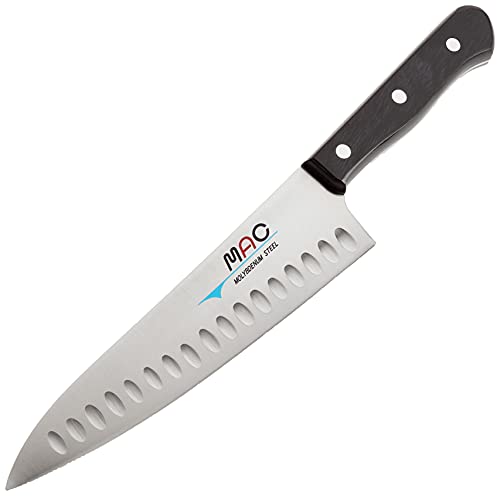

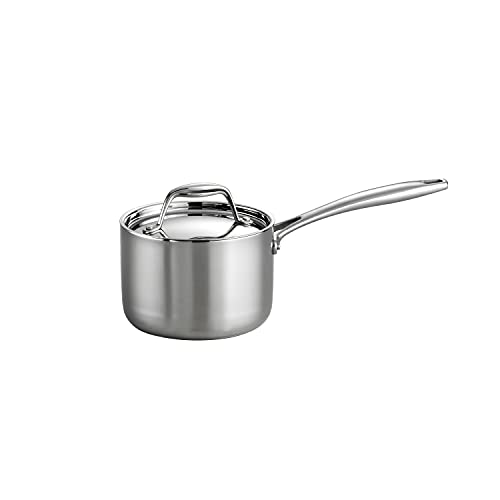
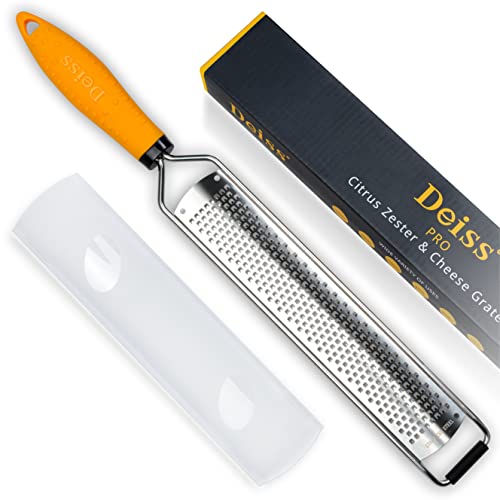
Ingredients
- 2 tbsp onion diced
- 1/2 tbsp extra virgin olive oil
- 4 oz bulgur medium # 2
- 1 tsp fresh lemon juice fresh
- 1 tsp lemon zest
- 10 oz chickpeas canned drained and rinsed
- 1/3 cup raisins
- 3/4 cup vegetable stock homemade or store-bought
- 4 oz bell peppers, roasted diced
- 1 1/4 tsp Ras El Hanout homemade or store-bought
- 1/2 tsp Aleppo pepper
- 1/4 cup mint leaves fresh fresh, chopped
- 1/4 cup flat-leaf parsley fresh, chopped
Instructions
- Heat a saucepan over medium heat, and add olive oil. Add diced onions and sauté the onions until they are translucent.1/2 tbsp extra virgin olive oil, 2 tbsp onion
- Add vegetable stock to the sautéed onions and combine with bulgur, lemon juice, raisins, lemon zest, garbanzo beans, roasted peppers, Aleppo pepper, and Ras El Hanout, and give it a stir.4 oz bulgur, 1 tsp fresh lemon juice, 1 tsp lemon zest, 10 oz chickpeas canned, 3/4 cup vegetable stock, 4 oz bell peppers, roasted, 1 1/4 tsp Ras El Hanout , 1/2 tsp Aleppo pepper, 1/3 cup raisins
- Transfer to a casserole dish and cover with foil. Bake for 12 minutes in a preheated oven at 350 F until most of the liquid is absorbed. Let pilaf rest additional 5 to 10 minutes remove foil and mix with chopped fresh mint and chopped parsley.1/4 cup mint leaves fresh, 1/4 cup flat-leaf parsley
Nutrition
Nutrition information is calculated using an ingredient database and should be considered an estimate
This dish was a perfect accompaniment to our grilled butterflied leg of lamb for Easter dinner. Wonderful mix of sweet and spicy. The Moroccan spice blend has a permanent place on my spice rack. Thanks Norbert! This was very good.
Thank you Irene so much for the kind words and I’m glad you enjoyed the recipe. Agreed, I love that recipe, the simplicity, and the layers of flavors that come with it. Serving it with a grilled butterflied leg of lamb on Easter dinner sounds like the perfect match, best Norbert